Thai Ingredients and Cooking Tips
Essential Thai Cooking Ingredients for Beginners
By Lexi From Thailand · 5 min read
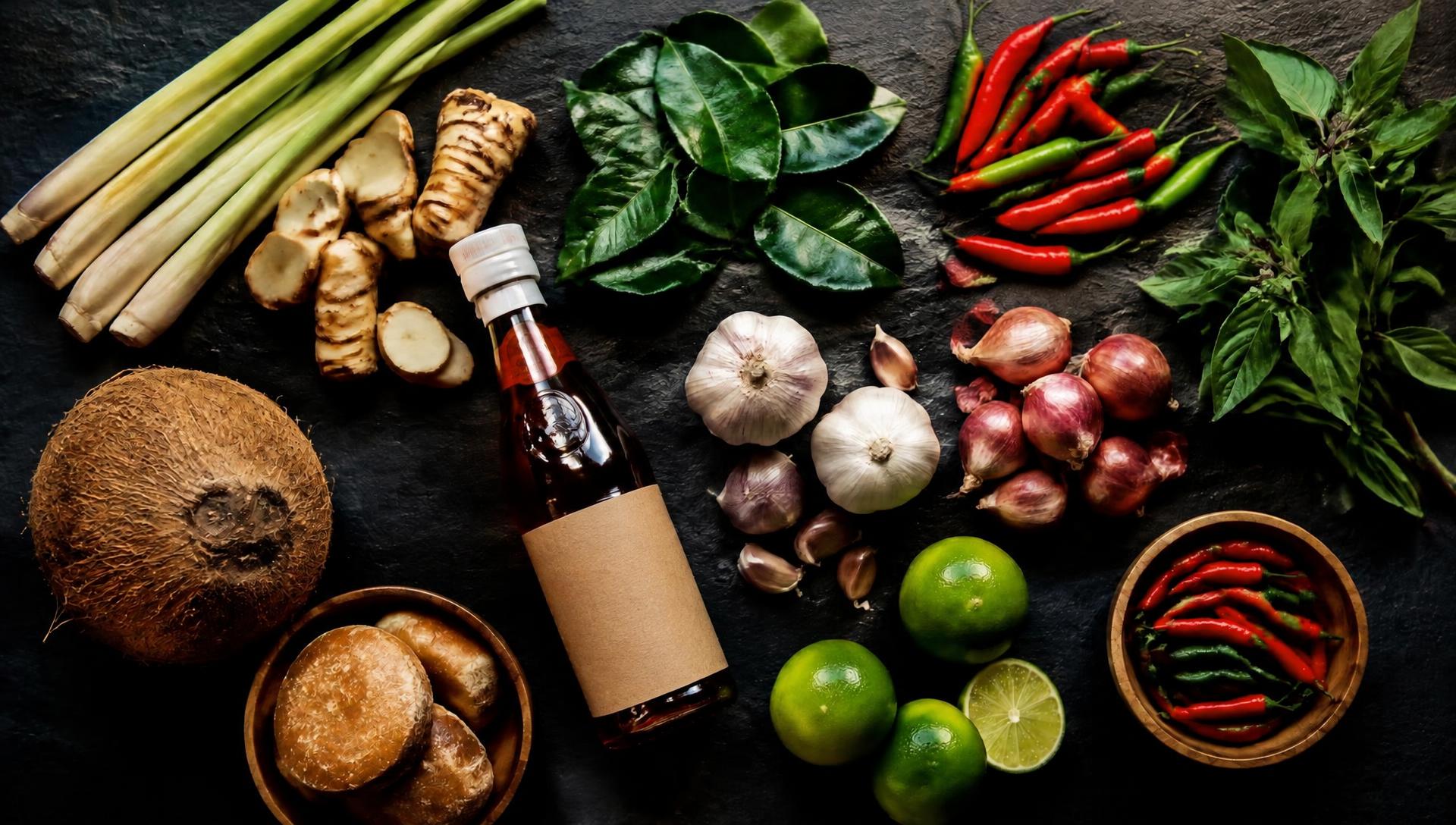
A useful Thai pantry grows around dishes you actually cook. Start small, learn your ingredients, and add specialty items with a plan.
Buy for two meals, not an imaginary pantry
A long ingredient checklist can make Thai cooking seem less approachable than it is. Instead, choose two dishes you want to repeat and identify what they share. Jasmine rice, fish sauce, garlic, and limes might support several dinners, while an unfamiliar preserved ingredient may belong to only one dish. Purchase that specialty item when you have a recipe ready. This approach helps you learn how ingredients behave and prevents half-used jars from accumulating without any clear purpose.
Learn the salty foundations
Fish sauce provides salt and savory depth. Different brands vary in strength and aroma, so measure carefully when switching bottles. It is made with fish and is not vegetarian. Light soy sauce is useful in many stir-fries but is not interchangeable spoon for spoon with dark soy sauce, which often contributes stronger color and sometimes sweetness. Oyster sauce adds body to sauces and generally contains shellfish; mushroom-based alternatives have their own flavor and should be checked for other allergens.
Read labels before substituting
A label marked light may describe color rather than reduced sodium. Likewise, a product called seasoning sauce may not taste like plain soy sauce. Check ingredients and follow the storage instructions after opening. If avoiding gluten, use products specifically labeled for that need rather than assuming all rice-based dishes are automatically gluten-free.
Balance sourness and sweetness
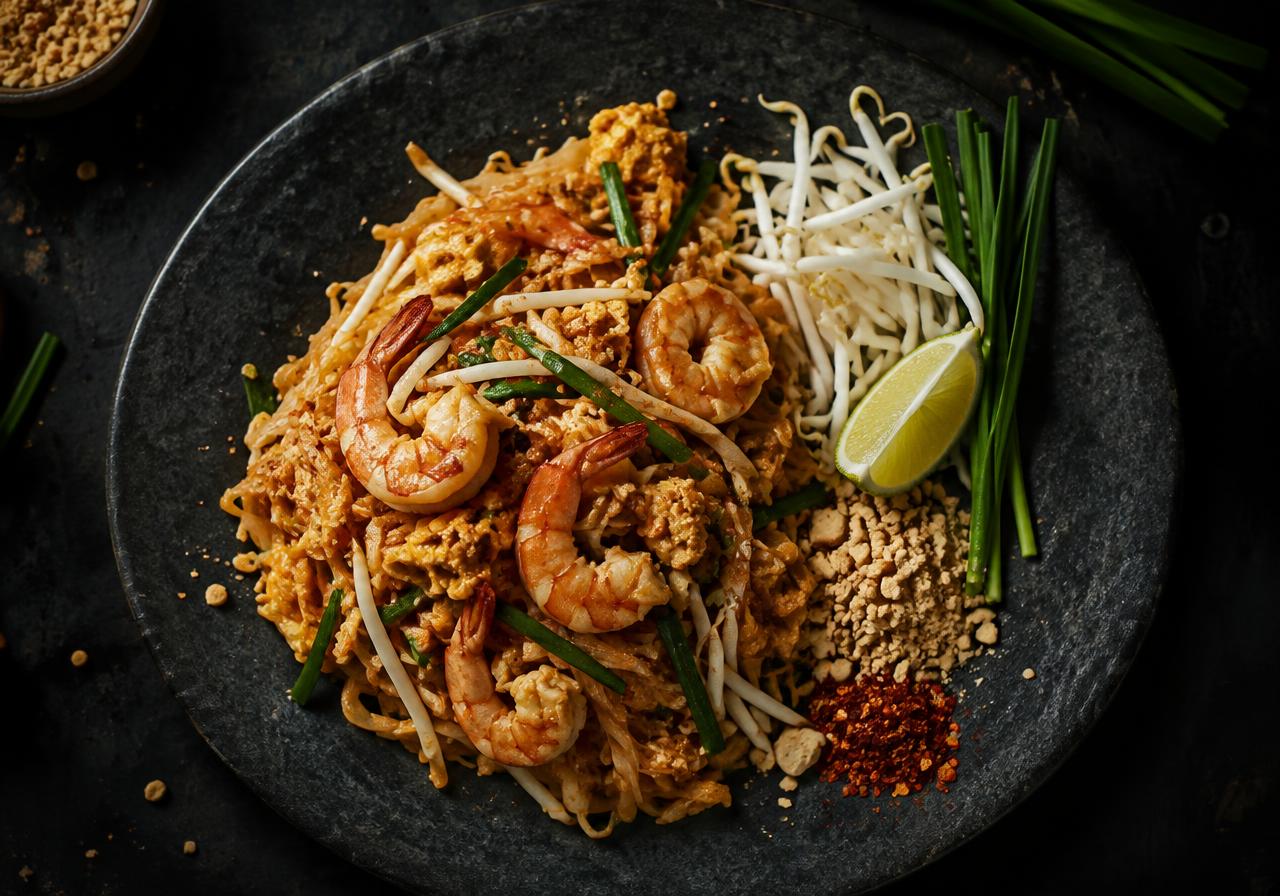
Lime juice brings a fresh acidity that suits many salads, soups, and finishing sauces. Tamarind offers a darker, fruitier sourness and is central to many versions of pad thai. They are not identical substitutes. Tamarind products range from fibrous blocks to pourable cooking liquid and powerful concentrates, so matching concentration matters more than matching the spoon measurement. Taste before combining a new product with the rest of a sauce.
Palm sugar adds sweetness with a mellow character, but light brown sugar can be a practical alternative in many home recipes. Avoid assuming every Thai dish must contain sugar, lime, and fish sauce in equal amounts. Some dishes emphasize pepper, some sourness, and others the natural sweetness of coconut milk. Balance means serving the particular dish well, not following a universal formula.
Choose rice, noodles, and coconut carefully
Jasmine rice is a useful everyday staple. Glutinous rice, also called sticky or sweet rice, is a different rice with different cooking behavior; the name does not mean it contains gluten. Rice noodles come in multiple widths and may be fresh or dried. A recipe written for one form often needs substantial timing changes for another. Keep the package until you have checked its preparation instructions.
Unsweetened canned coconut milk is useful for curries and desserts. Coconut cream is generally richer, while sweetened cream of coconut is a different product and should not be used as a direct curry substitute. Refrigerated coconut beverages are usually too thin for the same result. Curry paste is another sensible convenience ingredient, but check its heat, salt, and seafood content before deciding how much to add.
Handle fresh aromatics with a plan
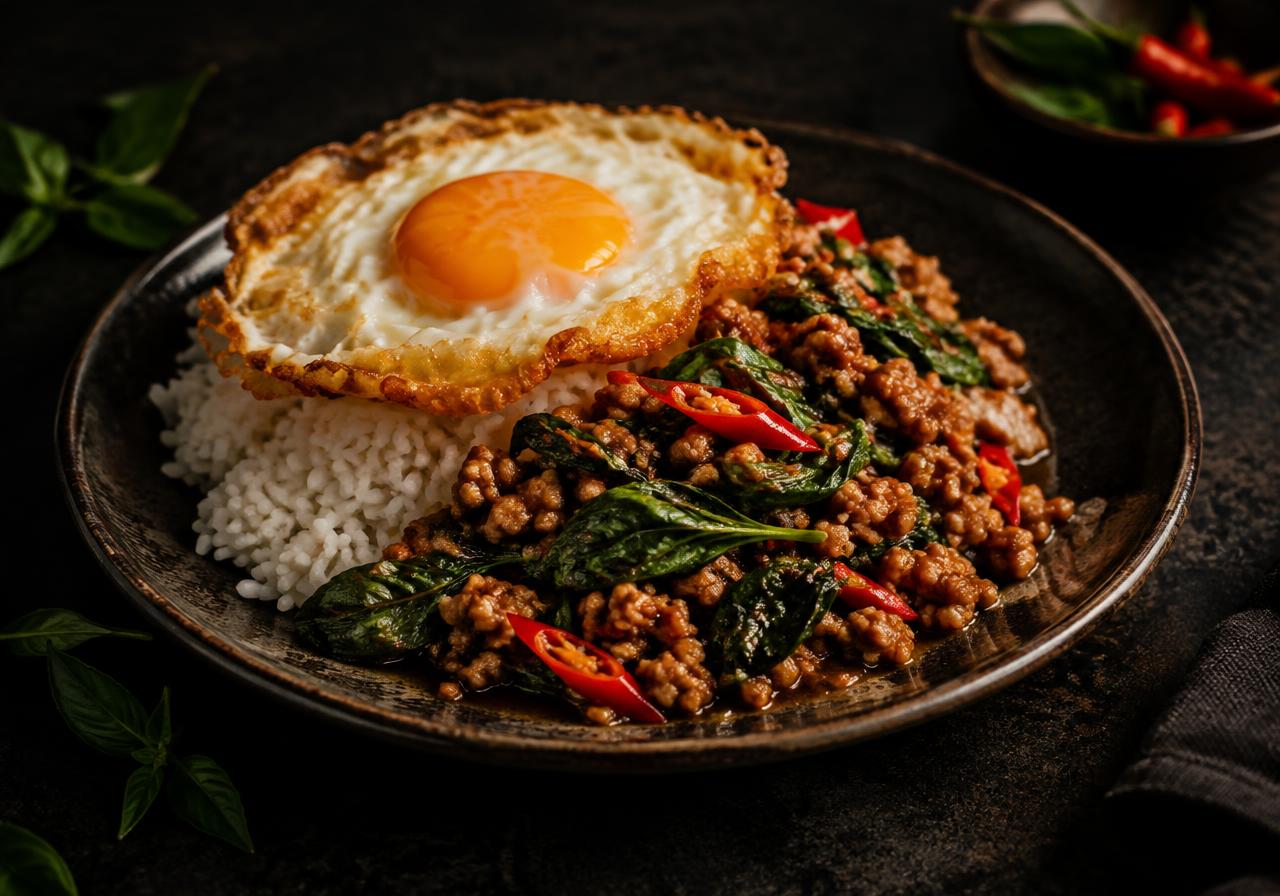
Lemongrass, galangal, and makrut lime leaves contribute distinct aromas. Ginger does not reproduce galangal, and lime juice does not reproduce lime leaves. When an exact ingredient is unavailable, acknowledge the change rather than suggesting it will be invisible. Tough lemongrass and galangal pieces can infuse a soup without being intended for eating. Basil also needs attention: holy basil and Thai sweet basil are different herbs used for different effects.
Tip: Freeze cleaned portions of lemongrass, galangal, and makrut leaves for later cooked dishes. Label them clearly, press excess air from the container, and expect some textural softening after thawing.
Store dry goods sealed away from heat and moisture. Keep herbs dry enough to avoid rot, following the needs of the particular herb, and check condiments for refrigeration instructions. A small pantry that stays fresh will usually serve you better than a large collection of stale spices and unidentified freezer bags.
Put pantry staples to work in fried rice. →
Build your beginner cooking routine. →
Continue your Thai cooking journey
For another way to explore home cooking, consider Thai Kitchen Essentials: 27 Recipes from Lexy's Family Table by Lexi From Thailand. This digital cookbook is an option for readers who prefer a collected resource alongside individual blog articles. Review the available description and format information to decide whether it suits your kitchen and the way you like to learn.