Thai Cooking for Beginners
Best Thai Cookbook for Beginners - What to Look For
By Lexi From Thailand · 5 min read
The best fit is the book you can realistically cook from. Use these criteria to evaluate beginner resources without relying on unsupported rankings or promises.
Define what you need to learn
Before choosing a cookbook, write down the dishes and techniques you want to understand. A reader seeking quick dinners has different needs from someone interested in regional history, curry pastes from scratch, or desserts. Think about how often you shop, which ingredients you can obtain, and how much uninterrupted cooking time you have. A book can be excellent for its intended reader and still be a poor match for your kitchen. Personal fit is more useful than an unexplained best label.
Look closely at recipe instructions
Where a preview is available, read a complete recipe rather than only the introduction or photographs. Good beginner guidance identifies ingredient forms, preparation tasks, heat levels, and sensory cues. Instructions such as cook until done are less helpful without an indication of texture or temperature. Check whether quantities and yields are clear, whether rice or side dishes are included, and whether soaking, chilling, or marinating time is disclosed. These details help you decide if dinner can fit your evening.
Notice how alternatives are explained
Useful substitutions acknowledge differences instead of claiming every replacement tastes identical. Holy basil and Thai sweet basil, for example, are distinct herbs. A beginner resource should help you make an informed choice when ingredients are unavailable. It should also distinguish between an optional garnish and an ingredient central to the dish's character, so you do not spend your budget on the wrong priorities.
Evaluate ingredient and equipment guidance
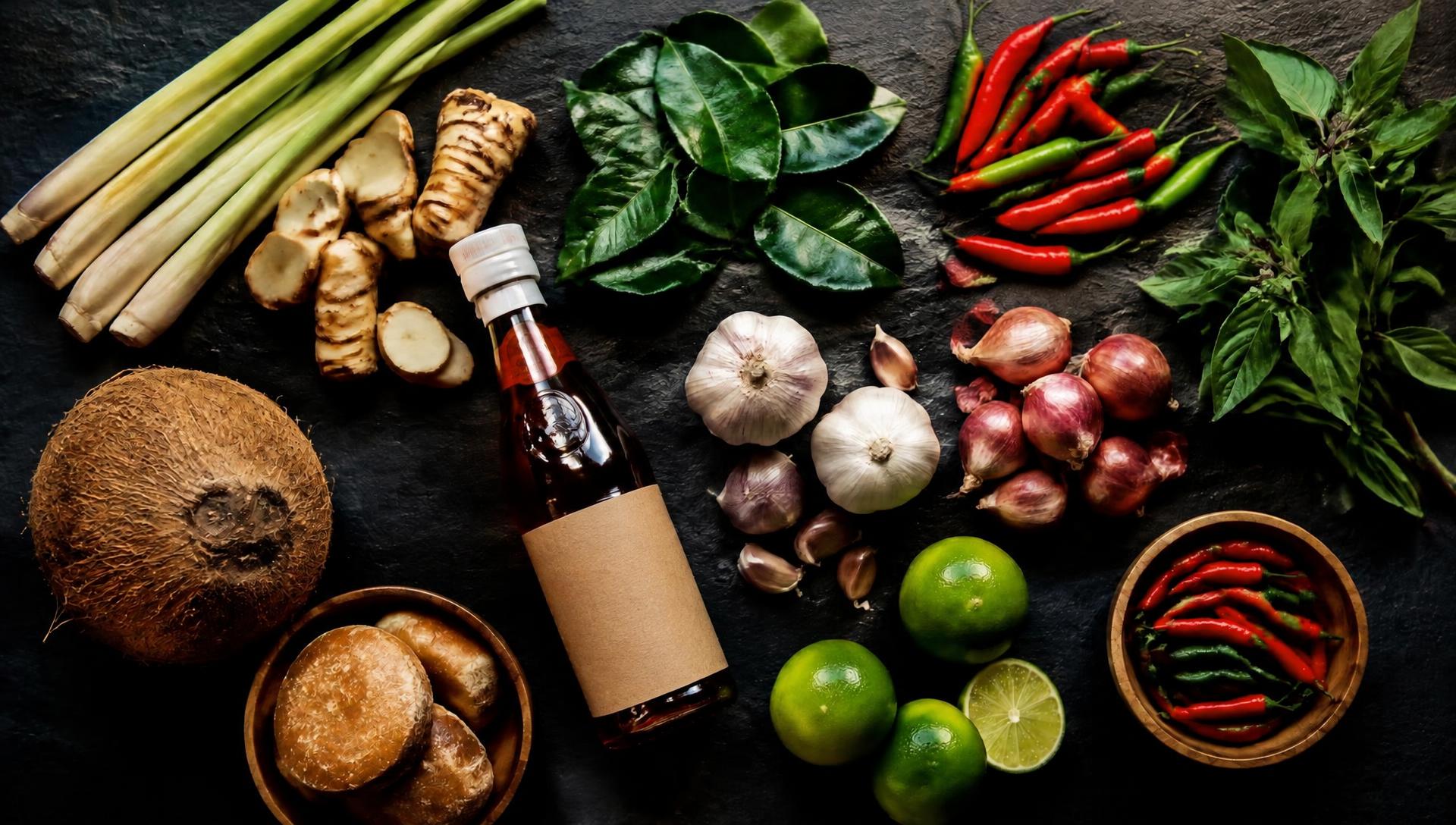
A helpful book explains unfamiliar products well enough for shopping. Tamarind concentrate, pourable tamarind liquid, and sweetened tamarind sauce need different handling. Curry pastes vary in strength and may contain seafood. Look for guidance that makes these distinctions clear, particularly if you cook with allergies or dietary restrictions. A vegetarian-sounding recipe title is not a substitute for checking fish sauce, shrimp paste, and other seasonings.
Equipment recommendations should also fit your situation. A broad skillet may be more useful on your stove than a round-bottom wok, and a special steamer may or may not be necessary for your goals. Consider whether the book teaches practical methods for ordinary home equipment. Buying several tools before testing your interest can add expense without helping you learn the basic cooking sequence.
Consider context, usability, and format
Look for authors who explain the context of dishes and identify family or regional variation where relevant. No single book can represent all Thai cooking. A focused perspective can be valuable when presented clearly rather than as the only valid version. Read available descriptions to understand the scope, and distinguish the author's stated experience from marketing claims or anonymous praise. Avoid treating a polished cover as evidence of recipe testing or cultural breadth.
Digital and print formats offer different conveniences. A digital book may be portable and searchable if its format supports those features, while print can be easier to keep open away from a splash-prone device. Do not assume a digital product permits printing, includes updates, or works in every reading app. Check the actual listing for file type, access details, device compatibility, and any stated use restrictions before choosing.
Assess one option without inventing claims
Thai Kitchen Essentials: 27 Recipes from Lexy's Family Table by Lexi From Thailand is one digital cookbook option to consider. Its title and format are a starting point for evaluation, not proof that it meets every beginner's needs. Review the available product information to see whether its stated approach matches your goals. This article does not verify its individual recipes, testing process, dietary coverage, or equipment guidance, and does not rank it above books that have not been evaluated here.
Tip: Make a short comparison sheet with five headings: dishes you want, ingredient access, instruction clarity, format, and budget. Fill it only with information you can actually verify, leaving unknowns blank.
A sample page, where available, can tell you more than a list of superlatives. If essential information is missing, ask the seller or publisher rather than assuming favorable answers. Once you choose a resource, cook a small selection repeatedly and keep notes. A cookbook becomes more useful when you actively learn its methods, not merely when it joins a collection.
Review the pantry basics before choosing a book. →
Build confidence with our beginner guide. →
Continue your Thai cooking journey
For another way to explore home cooking, consider Thai Kitchen Essentials: 27 Recipes from Lexy's Family Table by Lexi From Thailand. This digital cookbook is an option for readers who prefer a collected resource alongside individual blog articles. Review the available description and format information to decide whether it suits your kitchen and the way you like to learn.