Thai Cooking for Beginners
Thai Food for Beginners - A Complete Cooking Guide
By Lexi From Thailand · 5 min read
Thai cooking becomes easier when you learn a few ingredients and methods in context. This guide offers a starting framework, not a single formula for an entire cuisine.
Begin with curiosity rather than a checklist
Thai food includes regional traditions, household preferences, street foods, special-occasion dishes, and changing everyday meals. It cannot be reduced to the idea that everything is spicy or that every plate contains coconut milk. Northern, northeastern, central, and southern cooking have distinctive patterns, with plenty of variation inside those broad labels. For a beginner, the most useful first step is to learn one dish carefully while remaining open to the fact that another cook may prepare it differently.
Learn flavor through a particular dish
Sour, salty, sweet, bitter, spicy, and savory qualities all appear in Thai cooking, but they do not need equal representation in every recipe. A clear soup may emphasize gentle savory flavor, while a salad may feel sharply sour and hot. Taste your ingredients separately when safe to do so, then taste as they come together. This teaches more than adding extra sugar whenever a dish seems unfamiliar.
Adjust one thing at a time
If a sauce tastes flat, identify what is missing before reaching for several bottles at once. A small addition of fish sauce changes salt and savory depth; lime adds acidity; sugar softens sharpness without removing chili heat. If a dish is already too salty, further seasoning is not the answer. Diluting with unseasoned liquid or increasing suitable unsalted ingredients may help, depending on the recipe.
Build a small starter kit
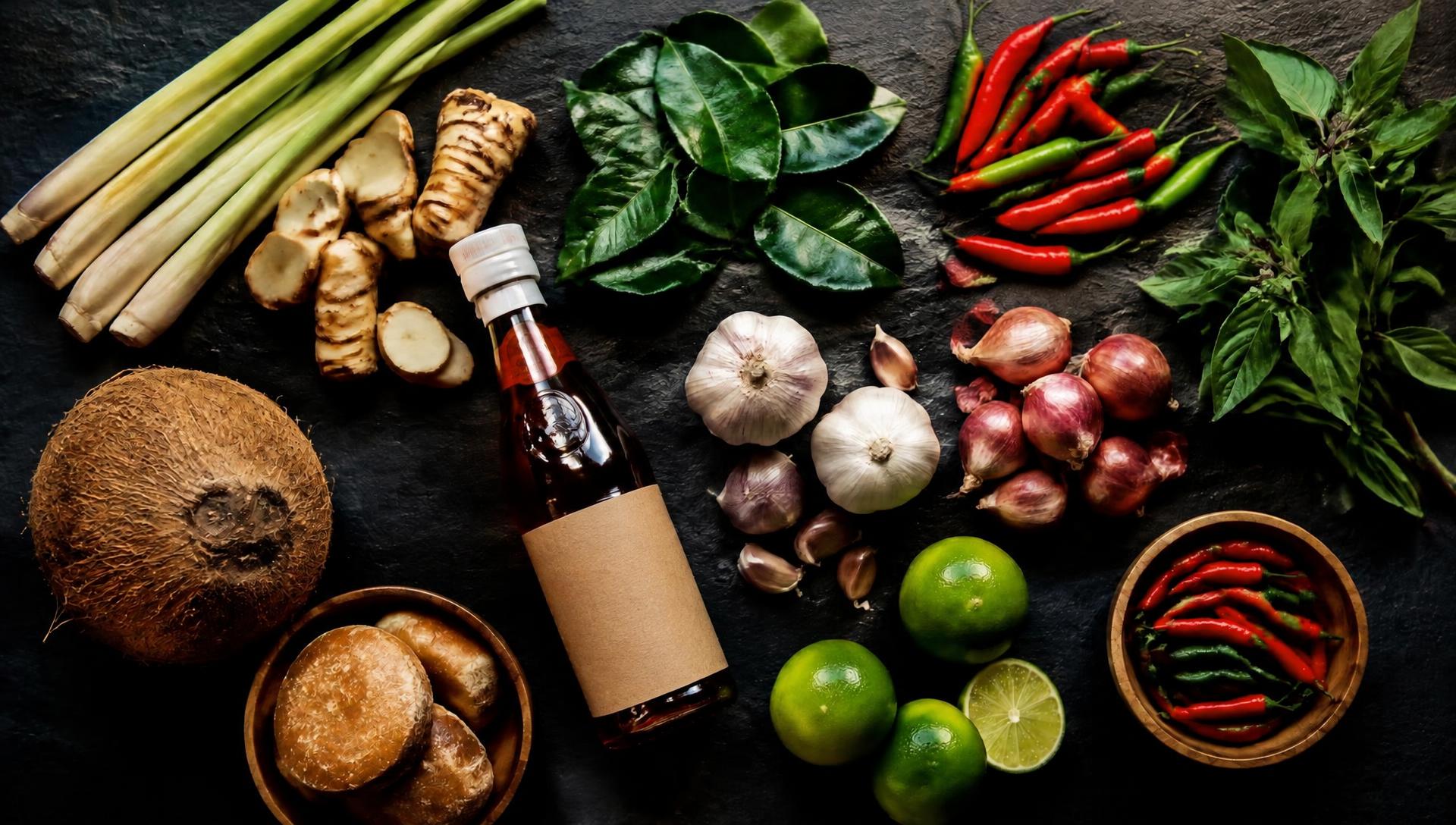
A useful first shop might include jasmine rice, fish sauce or a suitable vegetarian alternative, light soy sauce, garlic, limes, neutral oil, and the fresh ingredients for one meal. Add curry paste and unsweetened coconut milk if curry is on your plan. Wait to buy specialty ingredients until you understand where they will be used. Check labels for fish, shellfish, soy, wheat, and other allergens instead of assuming that a dish name tells the whole story.
You can begin with a wide skillet, a saucepan, a sharp knife, and a cutting board. A wok is helpful for some dishes but does not automatically improve results on every stove. A steamer is useful if you want to cook glutinous rice. A food thermometer is particularly valuable when learning to cook poultry and reheat leftovers safely.
Choose a first meal with manageable timing
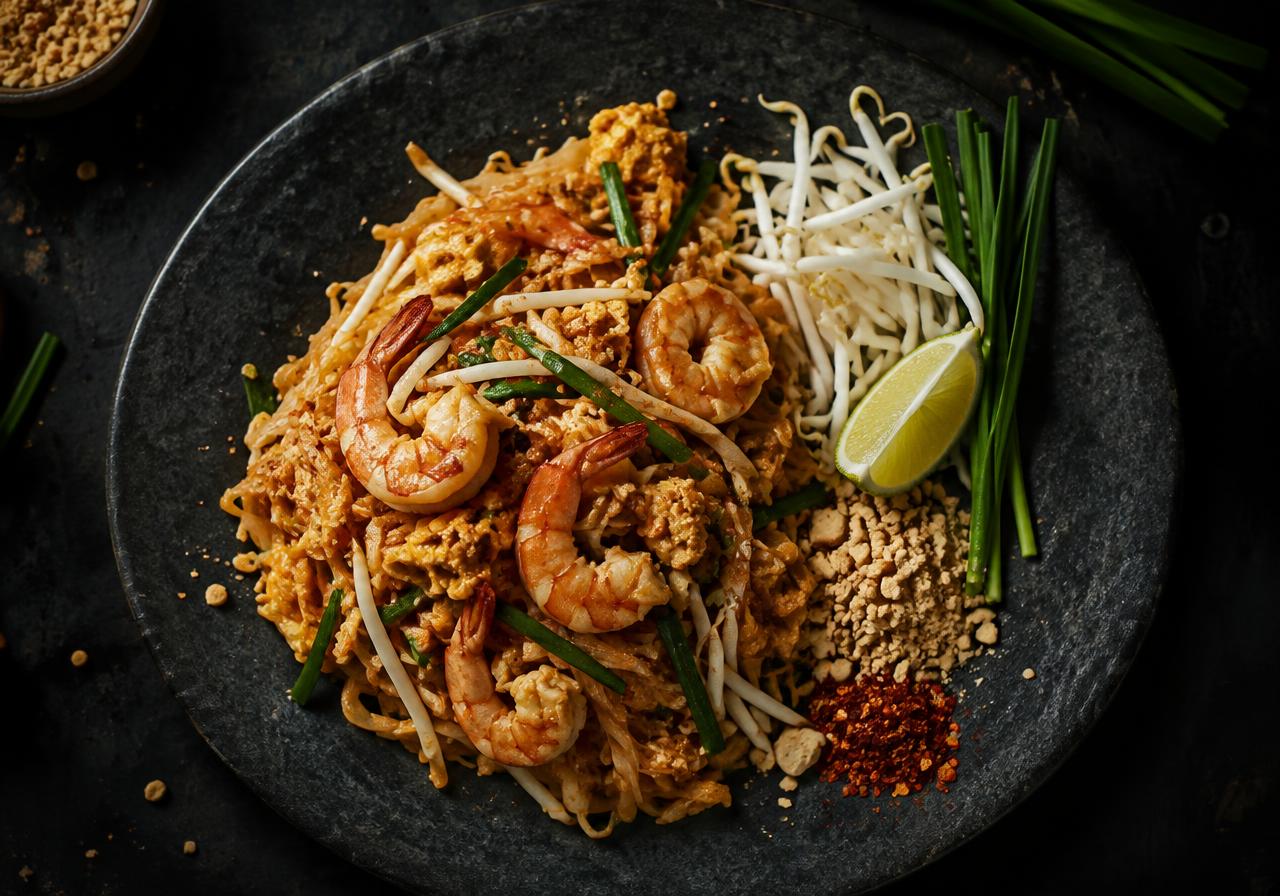
Basil chicken with rice gives you practice organizing a short stir-fry. Green curry offers a slower simmer and a chance to learn how vegetables cook at different speeds. Egg fried rice is useful when safely chilled rice is already available. Pad thai is rewarding but involves more advance preparation than its brief pan time suggests. Select according to your evening, not according to which dish sounds most impressive.
Tip: Read the recipe twice, once for shopping and once for sequence. Write a tiny timeline that includes soaking, rice cooking, and preparing garnishes, not just the active cooking minutes.
Prepare chopped ingredients and measured sauces before heating a pan. Keep raw meat and its utensils away from washed herbs and ready-to-eat vegetables. Set out serving bowls so finished food does not wait while you search cupboards. These small habits make fast cooking calmer and reduce the temptation to overcook something while handling another task.
Practice respectfully and safely
Ingredient substitutions are sometimes necessary, especially outside areas with well-stocked Asian markets. Say what you changed and expect a different result. Ginger does not become galangal because it is easier to buy, and Thai sweet basil does not become holy basil. You can still make an enjoyable dinner while recognizing those distinctions. Where possible, seek writing and instruction from Thai cooks alongside general beginner resources.
Keep brief notes about brands, amounts, texture, and timing so the next attempt is more informed. Cool leftovers promptly in shallow containers, cook poultry to 165 F/74 C, and reheat leftovers thoroughly. Progress is not measured by owning every ingredient or tolerating the most chili. It is measured by understanding your choices, handling food safely, and making meals you want to cook again.
Choose from ten beginner dish ideas. →
Explore Thai cooking foundations. →
Continue your Thai cooking journey
For another way to explore home cooking, consider Thai Kitchen Essentials: 27 Recipes from Lexy's Family Table by Lexi From Thailand. This digital cookbook is an option for readers who prefer a collected resource alongside individual blog articles. Review the available description and format information to decide whether it suits your kitchen and the way you like to learn.